Why I think having a photographer at a funeral is worth it and why families tell me the same
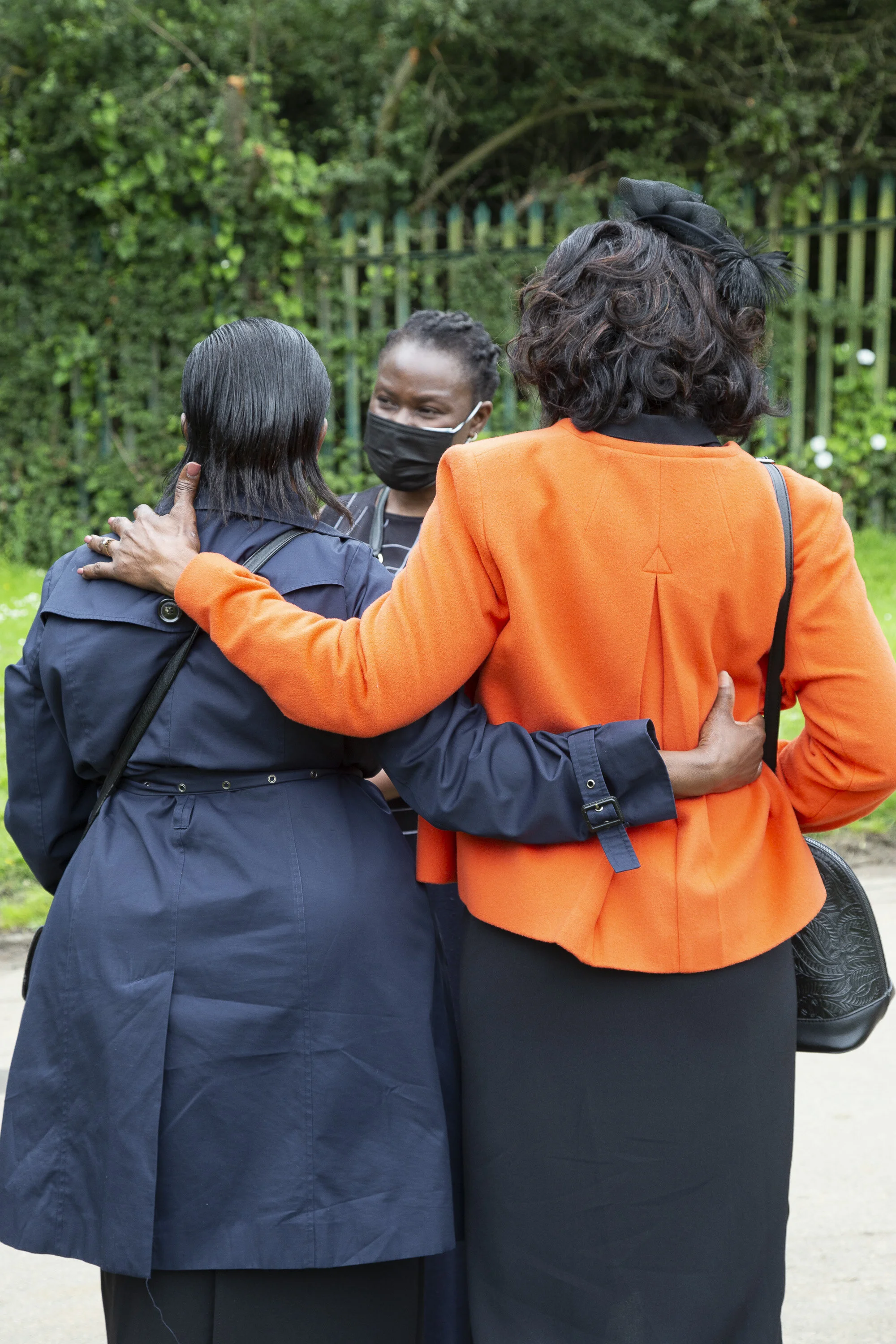
There's a question I get asked more than any other: Is it appropriate to have a photographer at a funeral?
It's a fair question. It might even feel like an uncomfortable one. Photography tends to sit alongside celebrations, weddings, birthdays, milestones. Not grief.
But here's what I've learned from doing this work: funerals are full of moments that matter just as much as any of those occasions. And they go by faster than almost anything else.
You can't be in two places at once
When you're the one greeting people at the door, holding someone while they cry, or simply trying to hold yourself together, you can't also be the one capturing the day. Grief takes up space. It asks everything of you.
What I hear most from families, weeks after a service, is that the day felt like a blur. They were so focused on just getting through it; being present for each other, saying the right things, simply breathing, that they couldn't take it all in.
The photographs give it back to them. Quietly, in their own time, they can see who came. They can see the love in the room. They can see details they missed entirely on the day, the flowers someone brought, the way two cousins held hands, a grandchild sitting very still in the front pew.
What a professional photographer actually does differently
It's not just about having a camera there. Anyone can do that.
What matters is how you move through a space like that. I use discreet equipment. I don't direct people or interrupt. I don't make myself known. My job is to be almost invisible on the day, so that the images can speak when you're ready to look at them.
For families who can't be there
Something I didn't anticipate when I started this work was how meaningful the photographs become for people who couldn't attend, family members overseas, elderly relatives who couldn't travel, friends who only heard the news afterwards.
Having a record of the service means the day can be shared with the people who mattered to the person you've lost. It's a way of including everyone, even those far away.
The images become something to return to
In the weeks and months that follow a loss, families often want something tangible to hold. The photographs, whether kept privately, made into a memory book, or set to music in a slideshow, become that. Not a replacement for grief, but a companion to it. A way of saying: this day happened, and it mattered, and here is the evidence of how much this person was loved.
That's why I do this work. And it's why, when families tell me afterwards that they're glad they had someone there, I believe them completely.
If you're thinking about it and aren't sure, feel free to get in touch. There's no obligation, and I'm always glad to talk it through.
Meena Julien — Loving Memories Funeral Photography, West London07737 120854